The Vision
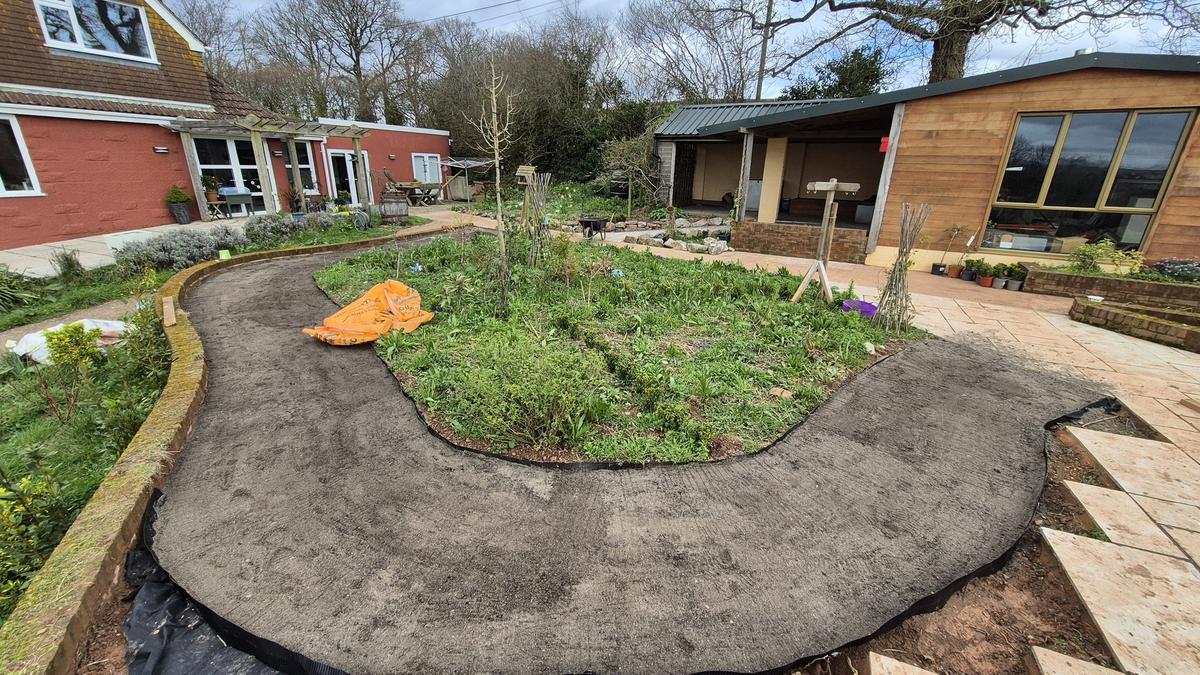
This is one of our most ambitious projects to date - a full garden renovation at a property in Ogwell, Devon. The centrepiece is a sweeping, curved living path that winds through the garden from the patio down to the lower areas, surrounded by renovated borders and a new desert bed.
A living path isn't your typical garden path. Instead of paving or gravel, the surface will be planted with sedum plugs and creeping thyme, creating a green, living walkway that's soft underfoot, beautiful to look at, and buzzing with pollinators in summer. It's a feature that's still relatively unusual in Devon - and we're excited to see it grow in.
Stage 1: Clearing and Border Renovation
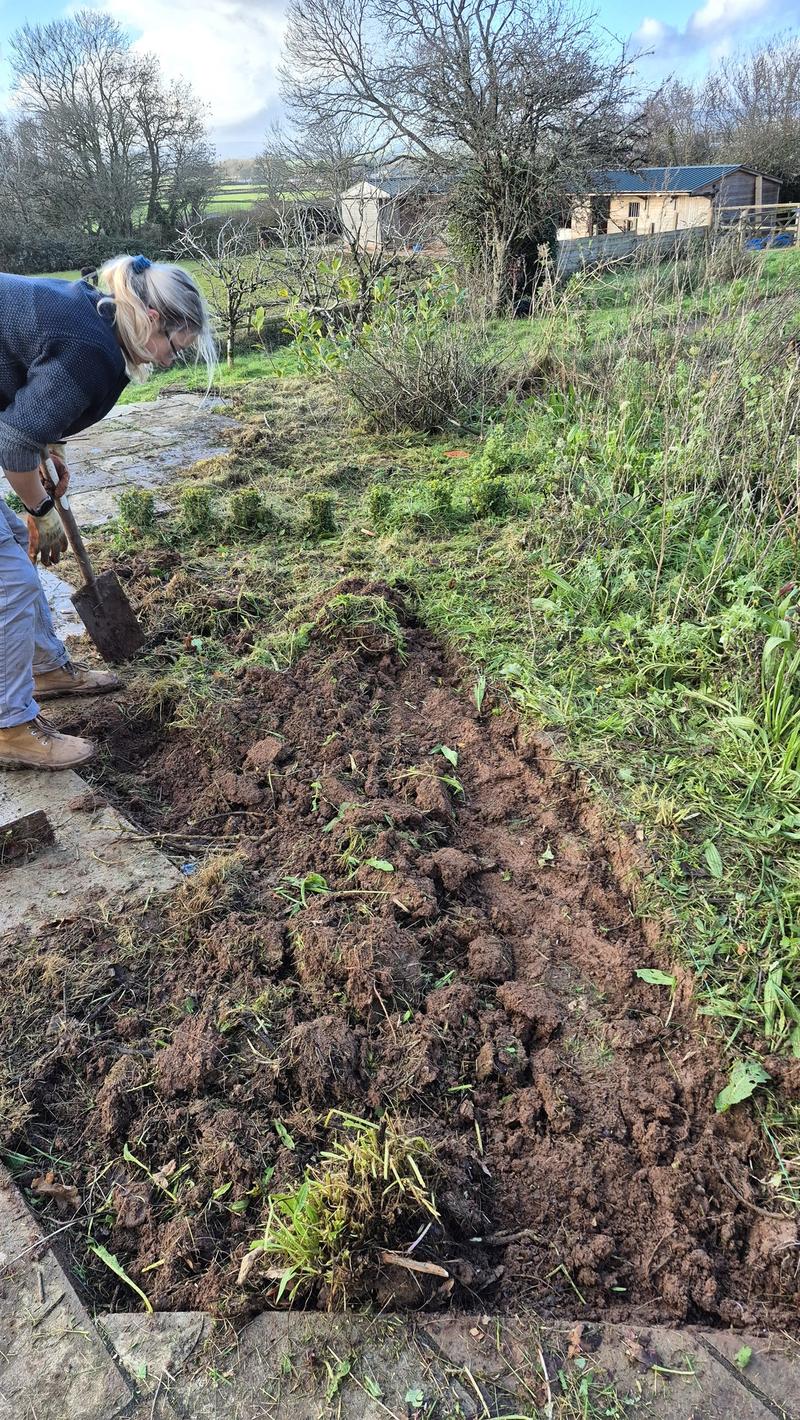
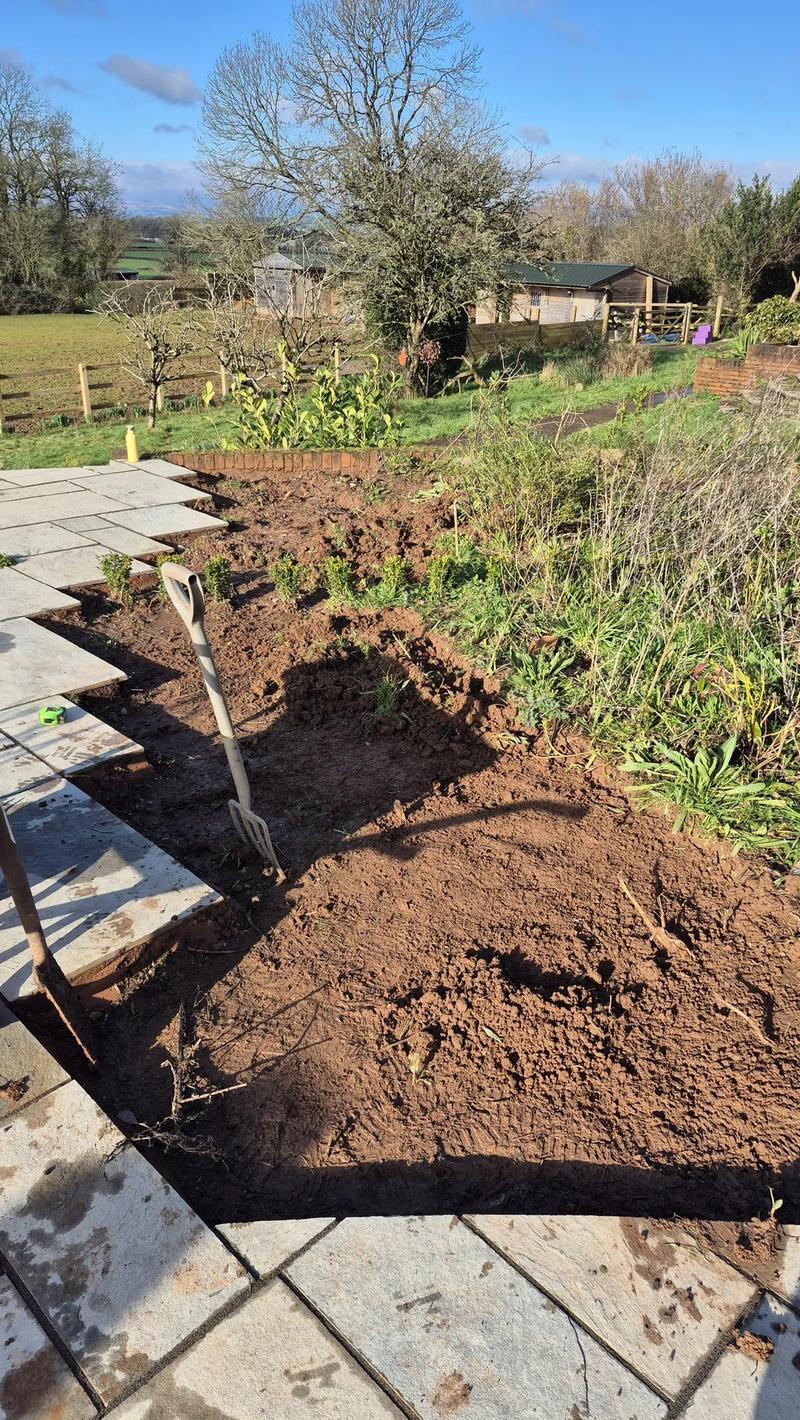
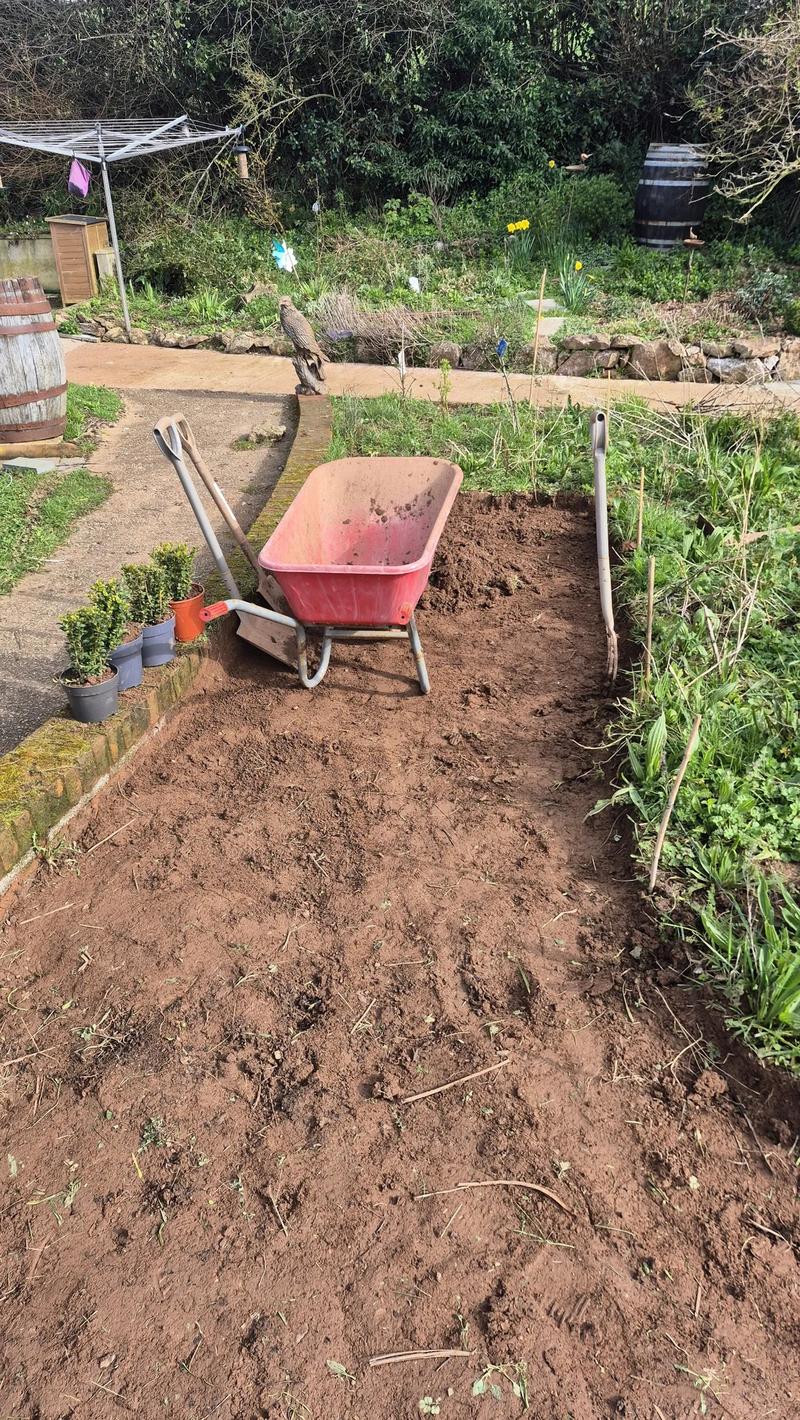
The first phase was getting the existing garden into shape. The borders had become overgrown and needed a complete renovation - clearing out old growth, digging over the soil, and preparing for new planting.
My grandma a family member was hands-on with this stage, helping dig out the borders and advise on what to keep and what to remove. Her decades of gardening experience is invaluable on a project like this - she knows instinctively what will thrive and what won't.
Stage 2: Shaping the Path
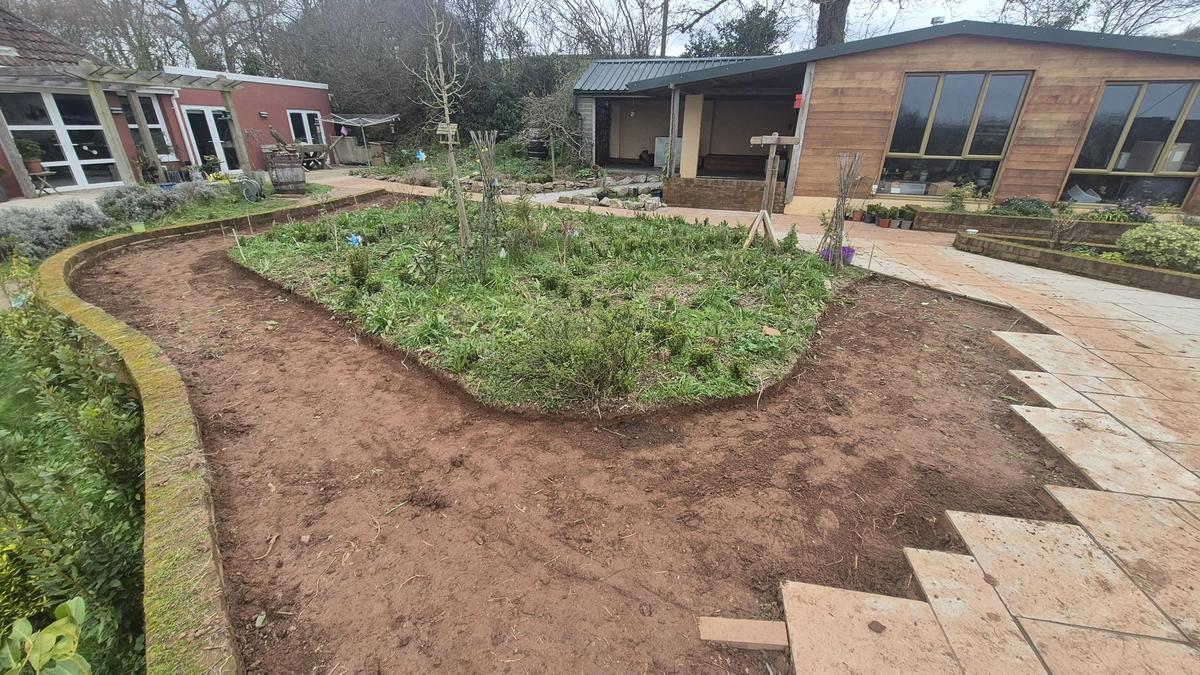
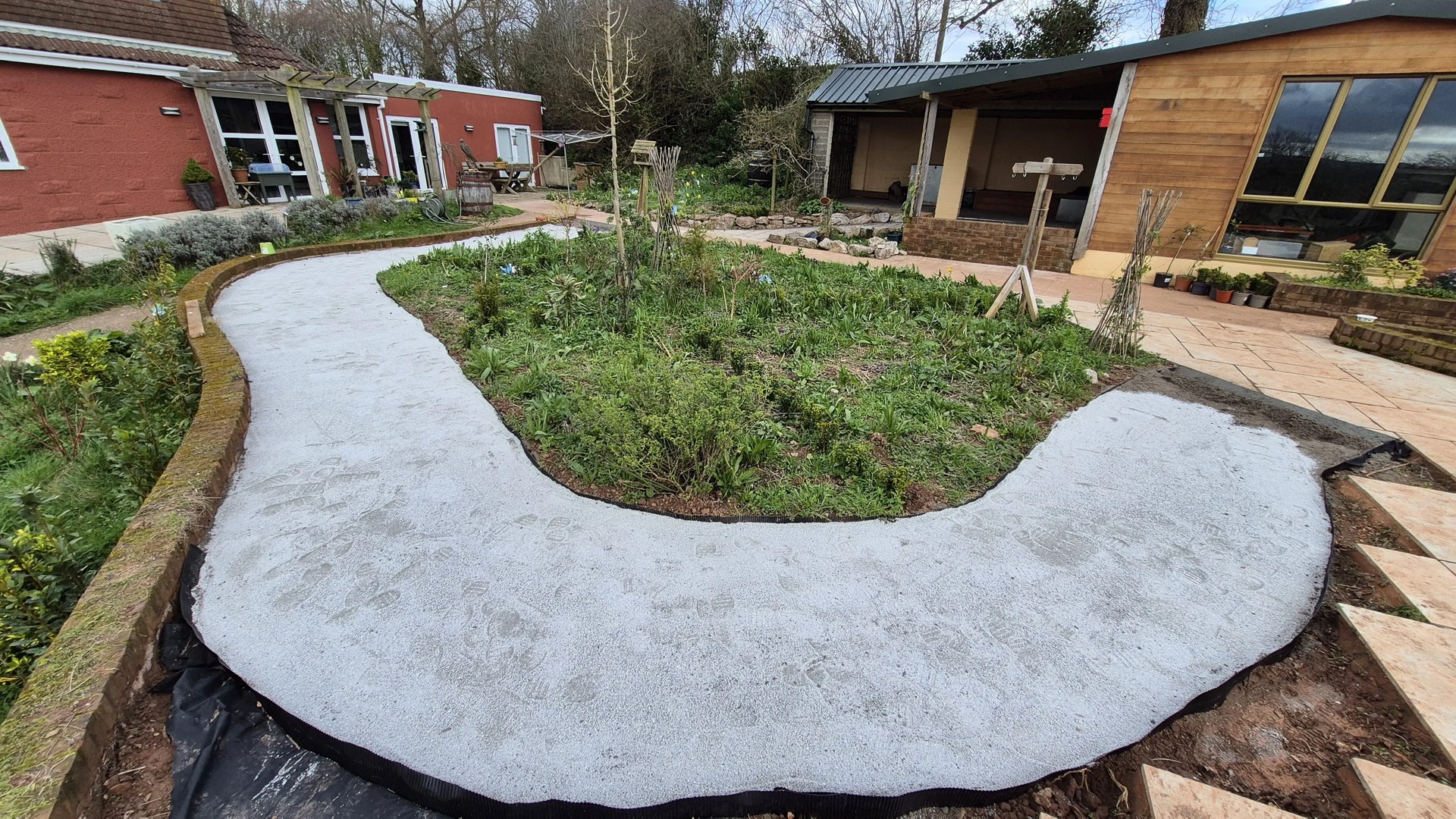
With the borders sorted, we moved on to the main event - shaping the living path. The path follows a flowing, organic curve through the garden, designed to feel natural rather than rigid. We dug out the path route by hand, creating smooth, sweeping edges that complement the existing brick edging and patio.
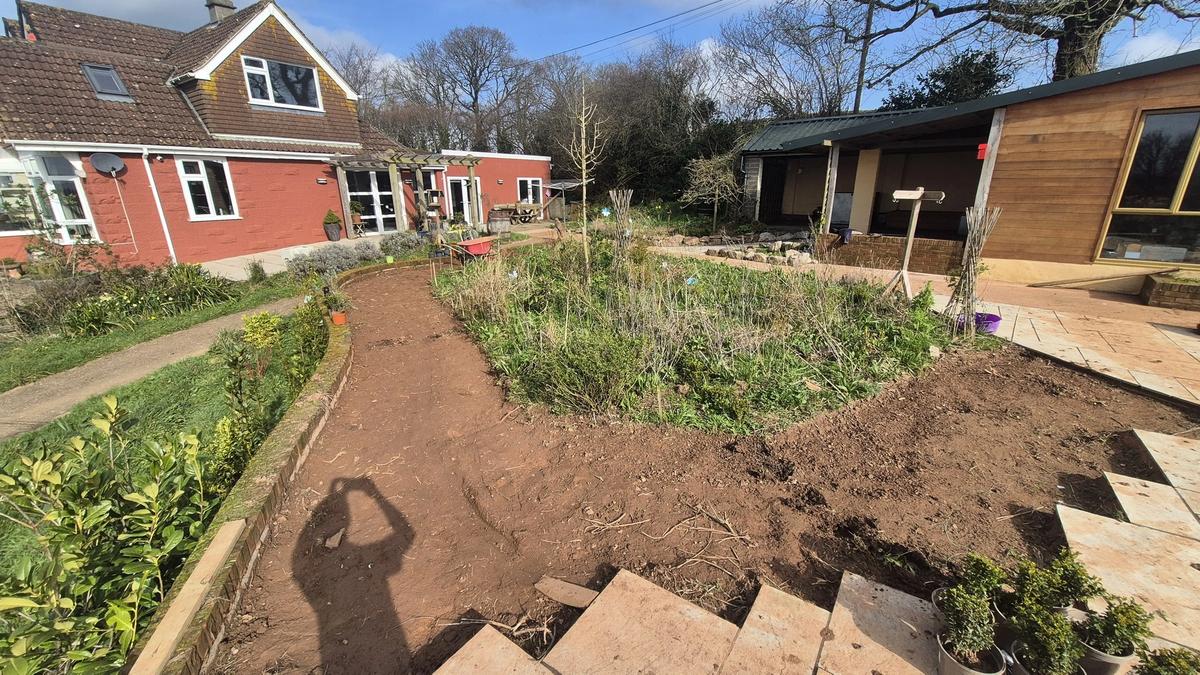
Getting the curves right is crucial - it needs to look effortless, which ironically takes a lot of effort. The path width varies slightly along its length, widening at the bends and narrowing on the straights, which gives it that natural, flowing feel.
Stage 3: Membrane and Edge Detail
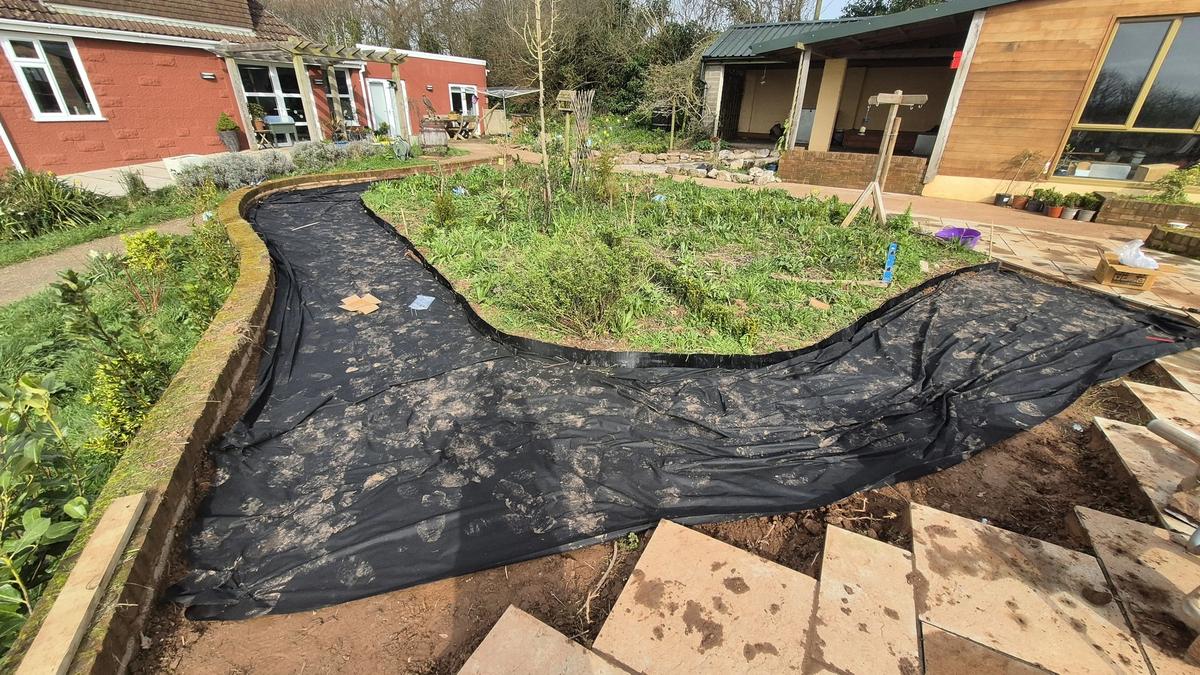
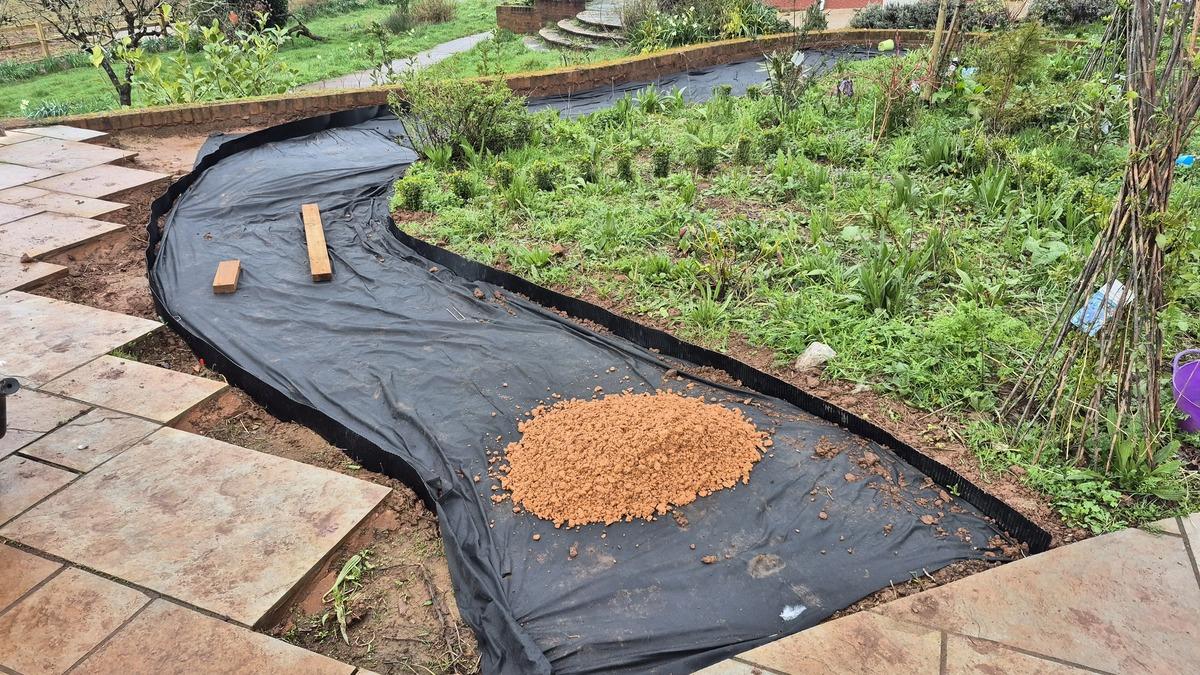
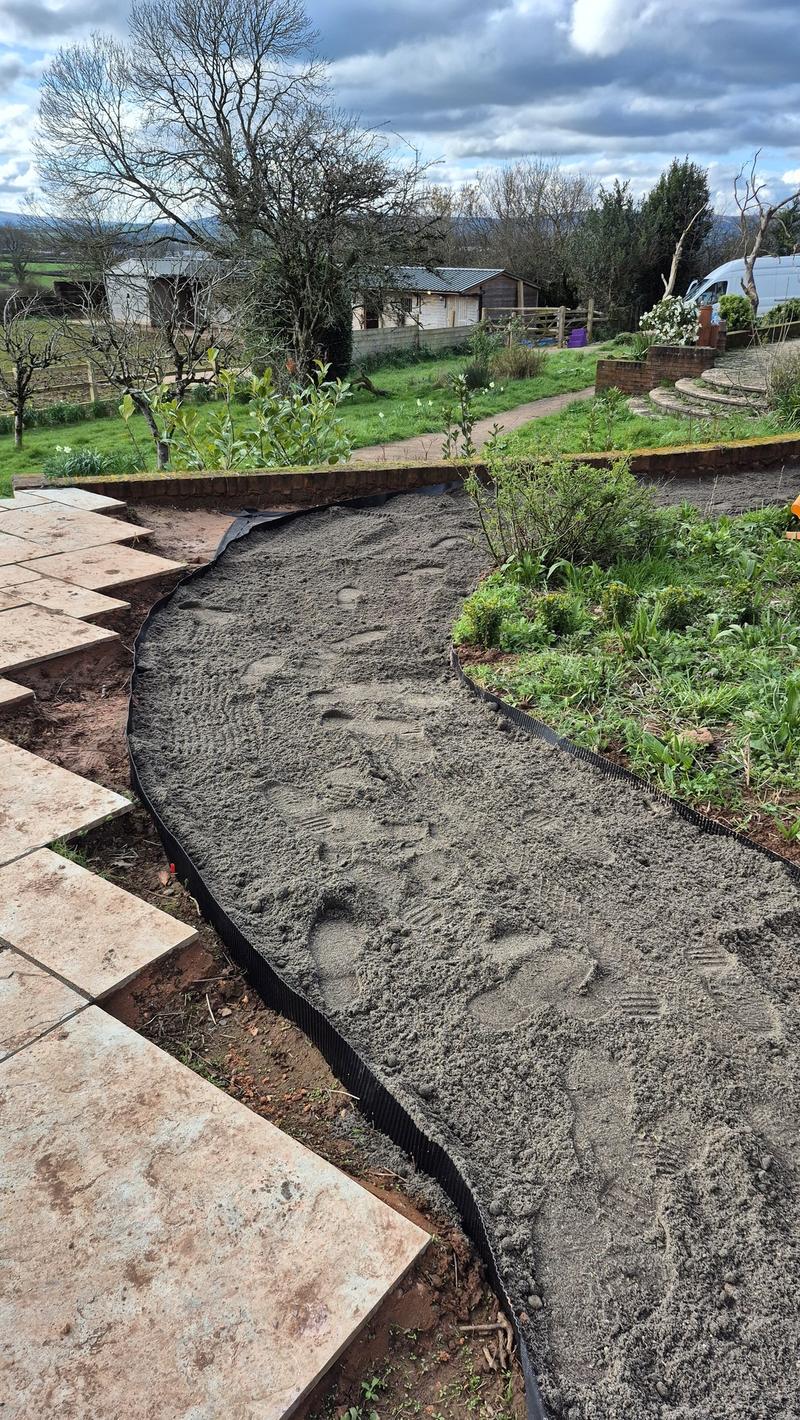
Once the shape was locked in, we laid heavy-duty weed membrane across the path area and carefully cut it to follow the curves. The edges are finished with flexible edging to create a clean border between the path surface and the surrounding beds.
Stage 4: Sand and Grit Base
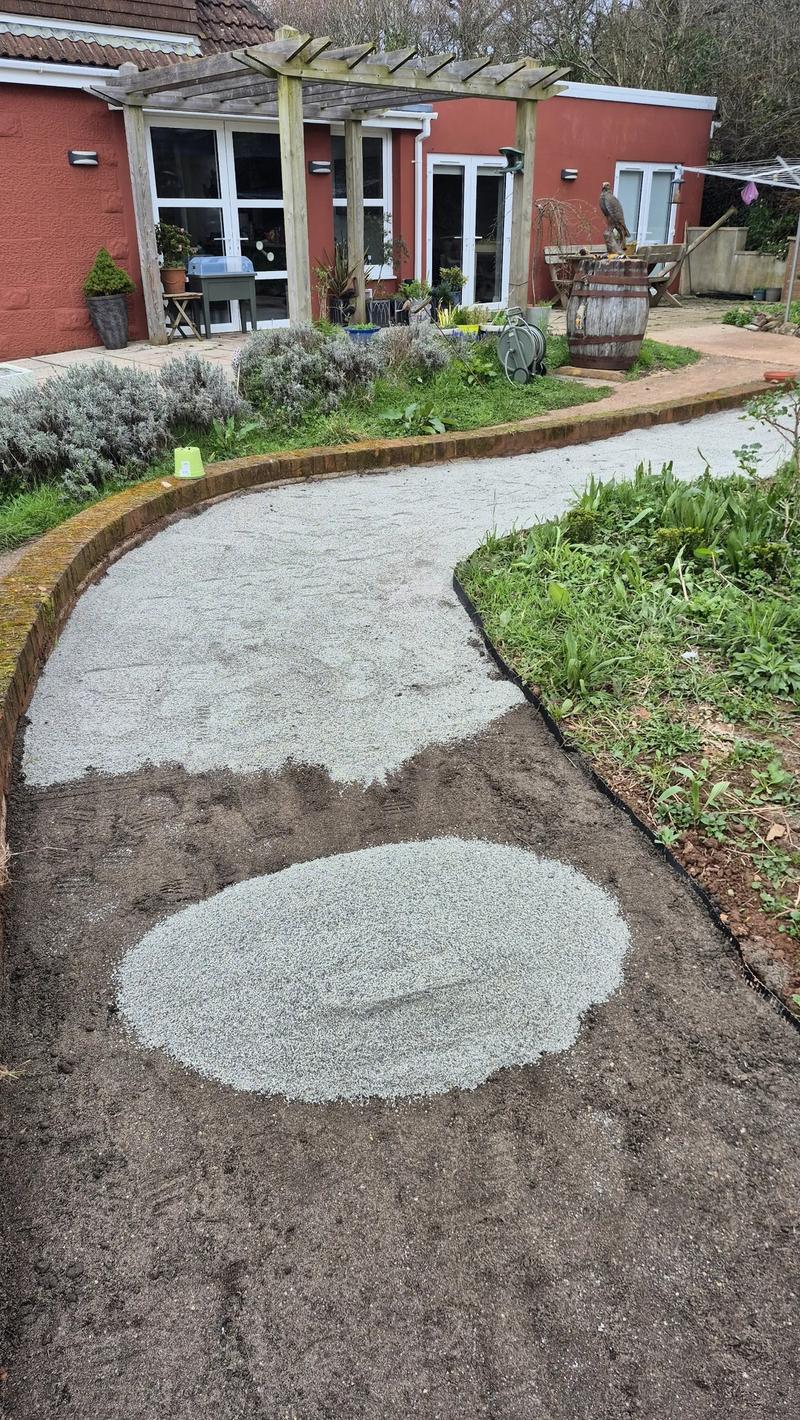
The growing medium for a living path needs to be free-draining - sedums and thyme hate sitting in wet soil. We built up layers starting with a sharp sand base followed by a grit top layer. This gives the sedum plugs perfect drainage while still holding enough moisture for them to root in.
What's Coming Next
The path base is now complete and ready for the planting stage. Here's what's going in:
- Sedum plugs - a mix of varieties that will spread across the path surface, creating a tapestry of greens, reds and yellows
- Creeping thyme seed - sown between the sedum plugs to fill gaps and add fragrance when walked on
- Prostrate rosemary - planted along the path edges where it will spill over and add structure
The path will also have bird netting over it initially to protect the young plugs while they establish. Within a growing season, the surface should be filling in nicely - and by year two, it'll be a fully green, flowering pathway.
This is a project we'll be updating as the planting goes in and the path establishes. Check back for progress photos - we can't wait to see it in full flower.
What This Project Involves
- Full border renovation and clearance
- Curved living path - design, excavation and construction
- Membrane, sand and grit base layers
- Sedum plug planting and creeping thyme seeding (coming soon)
- Prostrate rosemary edge planting
- Desert bed installation (covered in a separate post)
Interested in a Living Path?
Living paths are a stunning, low-maintenance alternative to traditional paving. Get in touch to discuss whether one would work in your garden. WhatsApp is easiest: send photos of the garden straight over and you will usually hear back quicker than email.
☎ Call 07311 264035 WhatsApp us Send an enquiry